If you have been diagnosed with Polycystic Ovarian Syndrome (PCOS) and are finding it difficult to conceive, you are far from alone. PCOS is one of the most common hormonal disorders affecting women of reproductive age - and the numbers are rising fast. By 2026, an estimated 1 in 5 Indian women will suffer from PCOS, making it a leading cause of anovulatory infertility across the country.
In Mumbai and Pune, more women than ever are seeking answers. With delayed marriages, stressful lifestyles, and increasing awareness of reproductive health, PCOS-related infertility has become one of the most discussed topics in women's healthcare in 2026.
The good news? PCOS-related infertility is highly treatable, and with the right approach - including IVF when needed - women with PCOS can achieve pregnancy success rates of 60% to 70%.
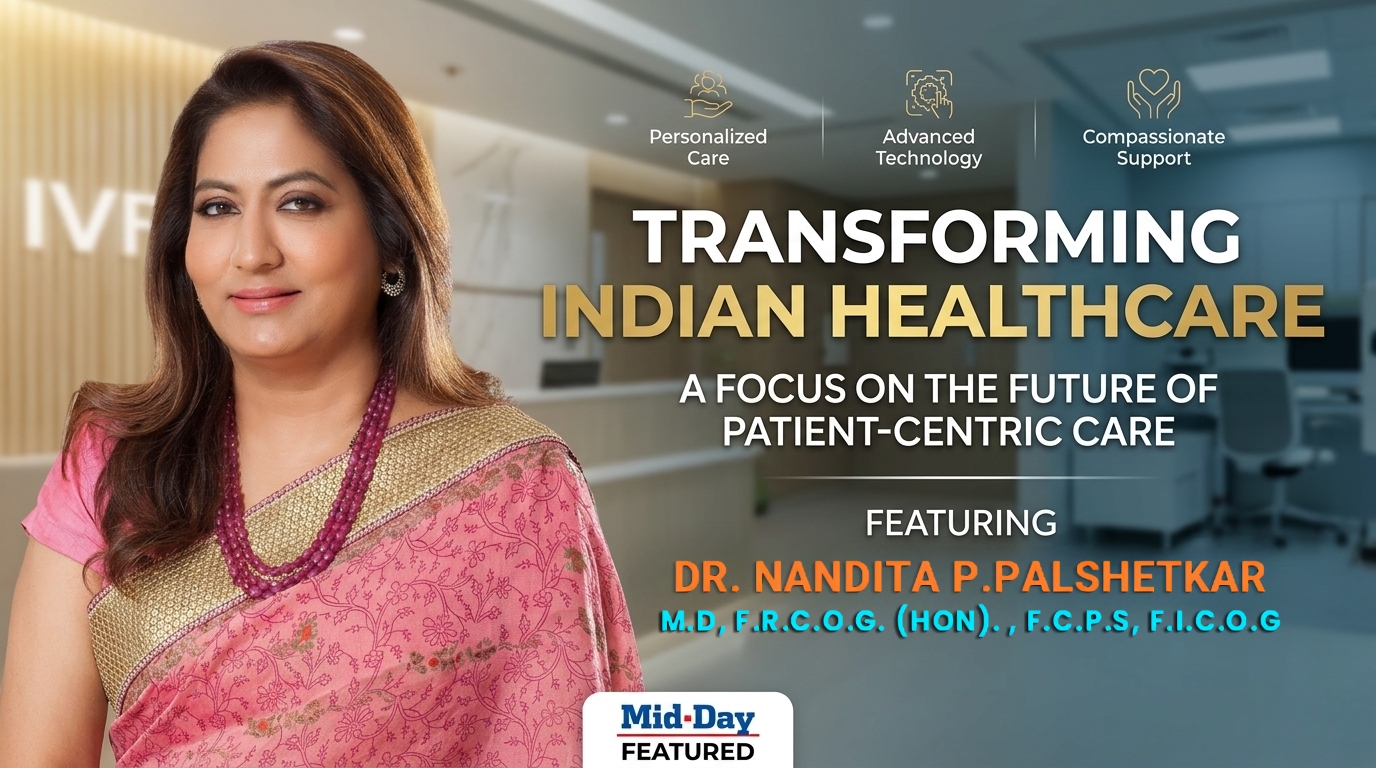
At Bloom IVF, under the expert guidance of Dr. Nandita P. Palshetkar - one of India's most decorated IVF specialists with 28+ years of pioneering work in reproductive medicine -women with PCOS receive personalised, evidence-based treatment plans that combine medical management, lifestyle guidance, and advanced fertility procedures like IVF and ICSI.
What Is PCOS and Why Is It Rising in India?
Polycystic Ovarian Syndrome (PCOS) is a hormonal disorder characterised by enlarged ovaries with multiple small cysts, irregular or absent ovulation, and elevated levels of male hormones (androgens).
It is diagnosed when at least two of the following three criteria are present:
- Cysts in ovaries that impede the release of eggs
- Irregular ovulation and irregular or absent periods
- Excess male hormones causing symptoms like facial hair growth and acne
The exact cause of PCOS is not fully understood, but it is believed to be linked to genetics, hormonal imbalance, and insulin resistance — which may also increase the risk of type 2 diabetes.
Why PCOS Is Surging in India
Several factors are driving the PCOS epidemic in India:
- Sedentary lifestyles and weight gain among urban women
- High-stress work environments disrupting hormonal balance
- Poor diet -high in refined carbohydrates and processed foods
- Delayed diagnosis - many women ignore early signs for years
- Increased awareness and testing - more women are now getting diagnosed earlier
The Economic Times recently reported that persistent acne, excess facial hair, and irregular periods are among the top early warning signs that should never be ignored. And the Times of India highlights that sudden unexplained weight gain around the abdomen, even with diet and exercise, is a strong red flag for hormonal imbalance linked to PCOS.
If you are experiencing these symptoms, don't wait. Learn more about PCOS prevention and management here:
PCOS – Prevention and Cure at Bloom IVF
Common PCOS Symptoms Every Woman Should Know
PCOS symptoms can vary from woman to woman, and they often develop gradually over time — which is why many women miss the early signs. Here are the most common symptoms listed on Dr. Nandita Palshetkar's clinic:
- Irregular or absent periods — cycles that are delayed, missed, or unusually heavy
- Excessive hair growth (hirsutism) on the face, chest, back, and buttocks
- Thinning, breaking, and shedding of scalp hair
- Oily skin and persistent acne beyond teenage years
- Weight gain and difficulty losing weight, especially around the abdomen
- Dark patches of skin (acanthosis nigricans) on the neck, armpits, or groin
- Decline in fertility and difficulty getting pregnant
- General fatigue, listlessness, and low energy
- Depression and mood changes
If you recognise any of these symptoms, it's important to consult a gynaecologist or fertility specialist early. Early diagnosis can significantly improve your chances of conception.
How PCOS Affects Fertility and Pregnancy
PCOS is one of the leading causes of infertility in women because it disrupts the normal ovulation process. Without regular ovulation, eggs are not released consistently, making natural conception difficult or impossible.
Specific Fertility Challenges with PCOS:
- Irregular or absent ovulation — the most common cause of infertility in PCOS
- Poor egg quality due to hormonal imbalance
- Higher risk of miscarriage due to unstable hormone levels
- Increased risk of gestational diabetes during pregnancy
- Higher chance of complications like pre-eclampsia and preterm birth
But here's the encouraging part: PCOS-related infertility is one of the most treatable forms of infertility. With proper medical management, ovulation induction, lifestyle changes, and when needed, IVF — women with PCOS can and do conceive successfully.
To understand how PCOS specifically affects fertility:
How Does PCOS Affect Fertility in Women?
PCOS Treatment Options at Bloom IVF, Mumbai
Dr. Nandita Palshetkar and the Bloom IVF team offer a comprehensive, step-by-step approach to managing PCOS and achieving pregnancy. Treatment is always personalised based on your age, symptoms, ovarian reserve, and pregnancy goals.
Step 1: Medical Management & Ovulation Induction
For women who are just beginning their fertility journey, the first line of treatment often involves:
- Ovulation-inducing medications (like Clomiphene or Letrozole) to stimulate egg release
- Lifestyle modifications - weight loss, exercise, and dietary changes
- Metformin for women with insulin resistance
- Hormonal therapy to regulate menstrual cycles
Step 2: Laparoscopic Ovarian Drilling (LOD)
If medications alone don't restore ovulation, a minimally invasive procedure called Laparoscopic Ovarian Drilling (LOD) may be recommended. This involves using heat or laser to destroy small areas of ovarian tissue, which can help restore natural ovulation.
Step 3: IUI (Intrauterine Insemination)
For couples where the male partner also has mild fertility issues, IUI can be combined with ovulation induction to improve conception chances.
Learn more about IUI: Intrauterine Insemination (IUI)
Step 4: IVF for PCOS -When Other Treatments Don't Work
When ovulation induction, LOD, and IUI fail to result in pregnancy, IVF (In Vitro Fertilisation) becomes the most effective option for women with PCOS.
With advanced IVF protocols tailored for PCOS patients, success rates can reach 60% to 70%. At Bloom IVF, Dr. Nandita Palshetkar uses specialised stimulation protocols to prevent ovarian hyperstimulation syndrome (OHSS) — a common concern for PCOS patients undergoing IVF.
Explore IVF treatment in detail: IVF (In Vitro Fertilisation) at Bloom IVF
Step 5: ICSI for PCOS with Male Factor Infertility
If there are also male factor concerns, ICSI (Intracytoplasmic Sperm Injection) is used alongside IVF to ensure optimal fertilisation.
Learn more: ICSI Treatment
IVF Success Rate for Women with PCOS in India (2026)
The average IVF success rate in India currently stands between 35% to 40% per cycle. However, women with PCOS often have higher success rates -typically between 60% to 70% - because PCOS patients usually have a good ovarian reserve with multiple eggs available for retrieval.
Here's how IVF success rates break down by age group in India:
| Age Group | Average IVF Success Rate |
| Under 35 years | 50–60% |
| 35–37 years | 40–50% |
| 38–40 years | 30–40% |
| Above 40 years | 10–20% |
PCOS patients under 35 with proper protocol management can often achieve success rates at the higher end of these ranges.
To check detailed IVF success rate information:
IVF Success Rate at Bloom IVF
PCOS & Recurrent IVF Failure: Finding Hope When Previous Cycles Didn't Work
For some women with PCOS, even IVF may not succeed on the first attempt. This is known as Recurrent IVF Failure (RIF) - when multiple high-quality embryo transfers fail to result in pregnancy.
Recent research published in India Today (January 2026) identified that certain genetic markers like the HOXA10 and Twist2 genes may explain why some women experience repeated IVF failures despite having healthy embryos - paving the way for more personalised treatments.
At Bloom IVF, Dr. Nandita Palshetkar offers advanced solutions for recurrent IVF failure, including:
- Comprehensive testing to identify underlying causes
- Embryo quality assessment using Embryoscope technology (first in Asia, introduced by Dr. Palshetkar in 2012)
- Preimplantation Genetic Testing (PGT-A) to select the healthiest embryos
- Endometrial receptivity analysis to ensure optimal timing for embryo transfer
- Personalised stimulation protocols for PCOS patients who have failed previous cycles
Learn more about RIF treatment: Recurrent IVF Failure Treatment
Why Choose Dr. Nandita Palshetkar for PCOS & IVF Treatment in Mumbai?
Dr. Nandita P. Palshetkar is not just an IVF specialist - she is a pioneer who has transformed reproductive medicine in India over the past 28+ years.
Her credentials include:
- 28+ years of experience in reproductive medicine and infertility treatment
- Founder and Medical Director of Bloom IVF, with 8 centres across India
- Pioneer of multiple technologies in India: ICSI (1996), Laser Hatching (1998), Egg Freezing (2007), Embryoscope (2012 — first in Asia), Non-Invasive PGT-A
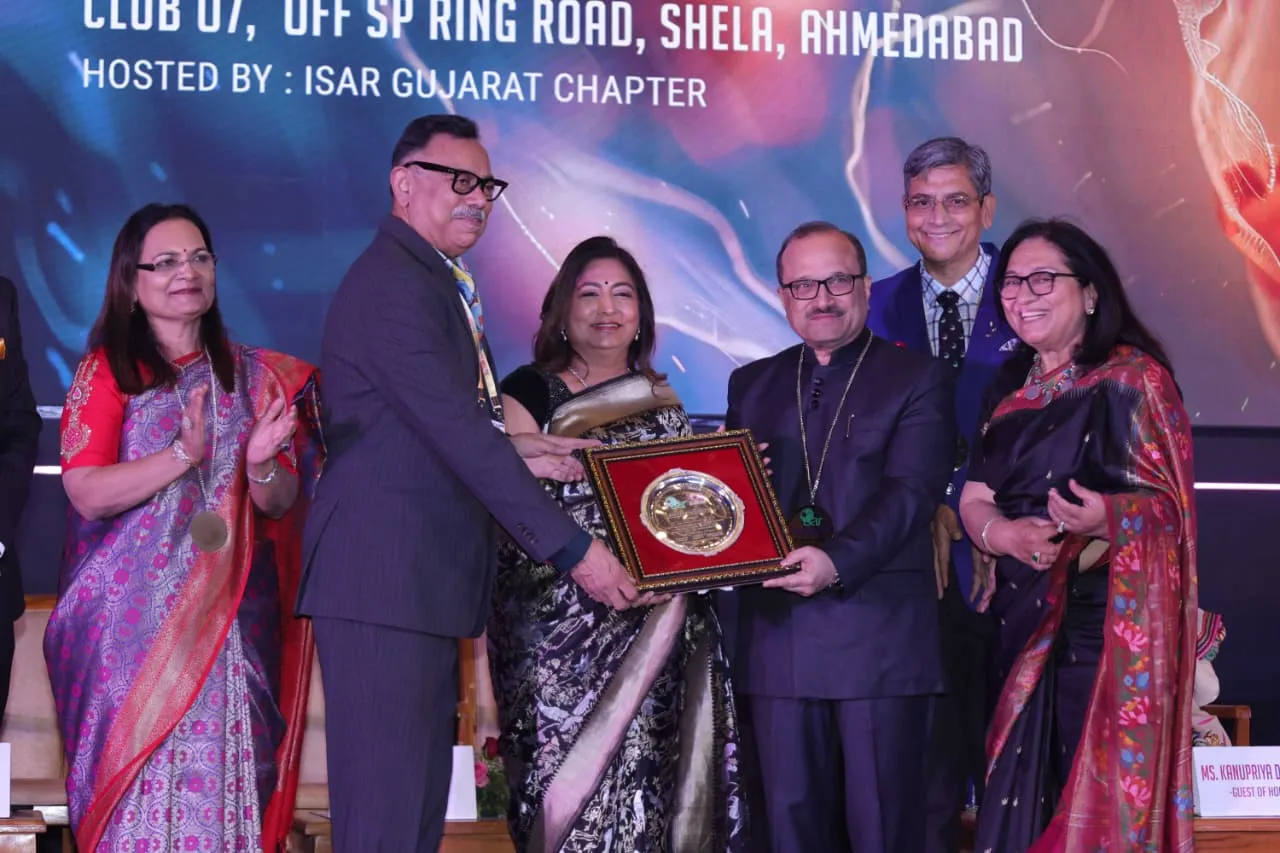
- Sarvottam Naari Samman Award 2026 and Lifetime Achievement Award at the ISAR Conference
- Current President of AMOGS (Association of Maharashtra Obstetric & Gynaecological Societies)
- Only person to have headed all major national and state OBGYN organisations in India
- Listed among the top 5 IVF specialists in Mumbai by industry experts
Profile of Dr. Nandita Palshetkar
PCOS & IVF FAQs: Everything You Need to Know
1. Can women with PCOS get pregnant with IVF?
Yes, absolutely. Women with PCOS are actually among the most successful IVF patients, with pregnancy success rates of 60% to 70% when treated with the right protocol. PCOS patients typically have a good number of eggs available for retrieval, which works in their favour during IVF. The key is working with an experienced specialist who can manage stimulation carefully to avoid complications like ovarian hyperstimulation syndrome (OHSS). Dr. Nandita Palshetkar at Bloom IVF has extensive experience in tailoring IVF protocols specifically for PCOS patients.
2. What is the first treatment for PCOS-related infertility?
The first line of treatment for PCOS-related infertility is usually ovulation induction using medications like Letrozole or Clomiphene, combined with lifestyle changes such as weight loss, regular exercise, and a balanced diet. If ovulation induction doesn't work after 3–6 cycles, your doctor may recommend IUI or move to IVF. The exact treatment plan depends on your age, duration of infertility, and whether there are any other fertility factors involved. Learn more about PCOS management on the
PCOS – Prevention and Cure page.3. How many IVF cycles might I need if I have PCOS?
Most women with PCOS conceive within 1 to 3 IVF cycles. Because PCOS patients typically have a good ovarian reserve, they often respond well to stimulation and produce multiple eggs, increasing the chances of success in fewer cycles. However, the exact number depends on factors like age, egg quality, sperm quality, and any additional fertility issues. Your doctor will create a personalised plan during your consultation. You can
Book a Free Consultation to discuss your specific situation.
4. Is IVF safe for women with PCOS?
Yes, IVF is safe for women with PCOS when performed by an experienced specialist. The main concern for PCOS patients is Ovarian Hyperstimulation Syndrome (OHSS), where the ovaries over-respond to stimulation medications. At Bloom IVF, Dr. Nandita Palshetkar uses modified stimulation protocols - including antagonist protocols and GnRH agonist triggers - specifically designed to minimise OHSS risk in PCOS patients. This careful, individualised approach ensures safety while maximising success rates.
5. What if I have had recurrent IVF failures with PCOS?
If you have experienced multiple failed IVF cycles despite having good-quality embryos, it's important not to lose hope. Recurrent IVF Failure (RIF) has specific underlying causes that can often be identified and treated. At Bloom IVF, advanced diagnostic tools like the Embryoscope (first introduced in Asia by Dr. Palshetkar in 2012), PGT-A for genetic screening, and endometrial receptivity testing help identify why previous cycles may have failed. A fresh, personalised approach can often lead to success. Learn more about RIF treatment here:
Recurrent IVF Failure Treatment.Take the First Step Toward Your Pregnancy Journey
If you have PCOS and are struggling to conceive, remember this: you are not alone, and you are not without options. With the right diagnosis, personalised treatment plan, and expert care, pregnancy is absolutely within reach.
Your Next Steps:
- Call Bloom IVF: Dial +91 887-939-2522 or +91 843-373-2400 to speak with a fertility counsellor.
- Book a Free Consultation: Visit https://www.nanditapalshetkar.com/free-consultation to schedule your appointment with Dr. Nandita Palshetkar.
- Learn About PCOS Treatment: Visit https://www.nanditapalshetkar.com/pcos for detailed information on PCOS prevention and cure.
- Understand How PCOS Affects Fertility: Read more at https://www.nanditapalshetkar.com/how-does-pcos-affect-fertility-in-women